 EN


Introduction
A laser tube cutting machine can process different tube profiles and lengths, but the way raw materials enter the machine also has a major influence on production efficiency. When operators need to load tubes manually for every cutting cycle, material preparation and handling can become a significant part of the overall production workload.
For manufacturers processing large quantities of round tubes, square tubes, rectangular tubes or other profiles, automatic loading may help reduce repeated manual handling and support a more consistent material supply.
When evaluating laser tube cutting machine, use representative parts and clearly defined production requirements.
However, automatic tube loading is not necessary for every factory. Its value depends on the tube mix, order quantities, production changes, unloading requirements and the actual operating cycle. The following points can help determine whether an automatic tube loading system is suitable for a particular production project.
1. Tube Mix
The first consideration is the variety of tubes used in daily production.
A factory processing the same tube profile and length in large batches has different loading requirements from a workshop handling many small orders with frequent changes in material specifications.
Start by reviewing the main tube characteristics:
Tube shape, including round, square and rectangular profiles.
Material type and surface condition.
Tube dimensions and wall thickness.
Raw material length and individual tube weight.
Straightness and consistency between supplied tubes.
Average batch quantity for each specification.
A tube bundle loading system is generally worth evaluating when production involves repeated processing of similar materials in relatively large quantities. Instead of preparing and positioning each tube individually, the loading equipment can be designed to receive multiple raw tubes and feed them into the cutting machine according to its configuration.
However, different tube dimensions may require different support positions, gripping conditions and feeding adjustments. Long or relatively flexible tubes also need suitable support during material transfer.
For a laser tube cutting machine, the loading range, permitted material weight and compatible profile types must be checked against the actual machine specifications.
If the factory processes many different tube sizes in small batches, a simpler loading arrangement may provide more practical flexibility.
2. Loading Method
Automatic loading can involve different mechanical arrangements. The correct solution depends on the raw material supply method and the machine configuration.
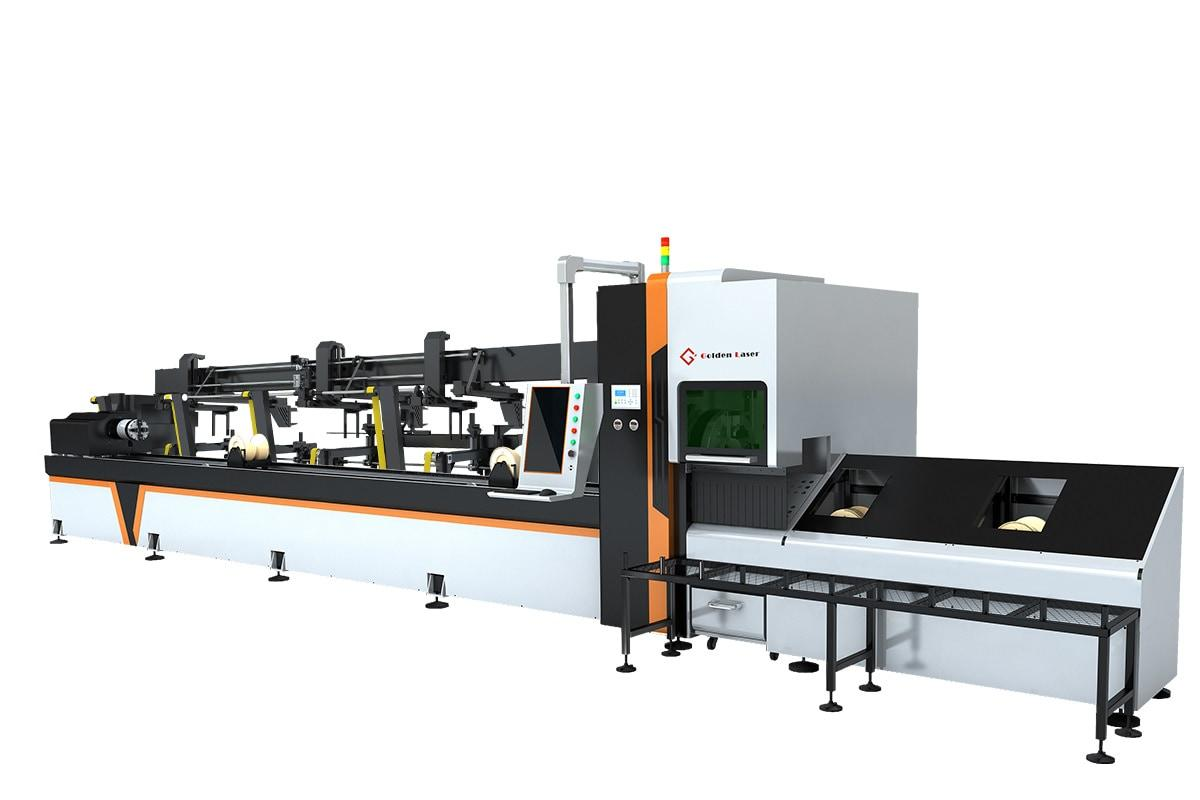
A typical automatic tube loading system may include a raw material storage area, support structures, material separation mechanisms, transfer components and a feeding mechanism connected to the cutting machine.
The process generally involves several stages.
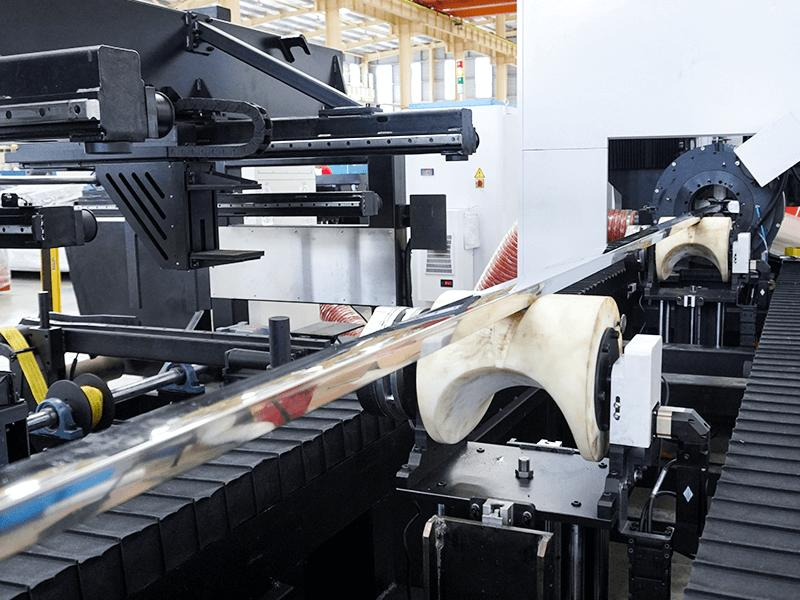
First, raw tubes are placed in the designated loading area. The loading mechanism then separates individual tubes from the prepared material supply. Depending on the system design, lifting devices, feeding chains or mechanical transfer units move the tube toward the cutting position.
After the tube reaches the feeding area, the machine's clamping and positioning system secures the material for processing.
The relationship between the loading mechanism and the cutting machine is important. Material must enter the cutting area in a controlled position without creating unnecessary movement, surface damage or feeding interruptions.
When comparing a manual loading arrangement, a semi-automatic feeding system and a fully automatic tube bundle loader, consider:
How raw tubes are placed into the loading area.
Whether individual tubes are separated automatically.
How the material is transferred and supported.
Whether the system identifies or accommodates different profiles.
How feeding errors and abnormal material conditions are handled.
The loading configuration, automation level and compatible material specifications should be confirmed using the selected machine and actual tube samples.
3. Changeover
Production changeover is particularly important for factories that process multiple tube specifications.
An automatic tube loading system may work efficiently when one material specification runs continuously, but frequent changes between different profiles can introduce additional preparation requirements.
For example, changing from round tubes to square or rectangular profiles may require adjustments to material support, feeding positions and gripping arrangements.
The production team should also consider how the next order is prepared.
Important questions include whether the loading area can accommodate different tube specifications, whether operators need to remove remaining raw material manually, and how the feeding system handles a new production program.
For small batches, frequent material changes may reduce the practical benefit of automatic loading. In this situation, loading flexibility and changeover convenience may be more important than maximum storage capacity.
A proper changeover evaluation should record the time required to remove the previous material, prepare the next specification, update the cutting program and produce the first acceptable part.
This helps manufacturers compare different loading configurations based on actual production conditions rather than advertised automation levels.
4. Part Collection
Automatic loading is only one part of the material handling process. Finished tube sections also need to be collected, identified and transferred after cutting.
A laser tube cutting machine may produce parts of different lengths and shapes within the same production order. These components should be collected without creating unnecessary collisions, surface scratches or sorting problems.
The unloading arrangement should match the characteristics of the finished parts.
For relatively long components, suitable support and collection space are important to prevent uncontrolled movement after cutting. Shorter components may require collection trays or designated containers to keep different part types separated.
Consider the following points when evaluating the unloading system:
Available collection positions and storage capacity.
Support for different finished part lengths.
Separation of different components.
Protection against surface damage.
Accessibility for operators and material handling equipment.
Transfer arrangements for the next production operation.
If finished parts are supplied to bending, welding or assembly processes, their collection and identification should also follow the downstream production requirements.
A well-planned tube loading and unloading arrangement helps prevent the material handling stage from becoming a bottleneck after cutting.
5. Whole Cycle
The actual value of automatic loading should be evaluated through the complete production cycle rather than the feeding operation alone.
A typical cycle includes raw material preparation, tube separation, loading, positioning, clamping, cutting, finished-part unloading and collection.
Each stage takes time, and some operations may overlap depending on the machine configuration.
For example, a system may prepare the next tube while the current tube is being processed. This can reduce waiting between loading operations, provided that the loading mechanism and cutting sequence support simultaneous preparation.
However, faster feeding does not automatically mean higher overall production output. Cutting complexity, the number of features, material changes and unloading arrangements can all influence the final result.
When comparing manual and automatic loading, record:
Raw material preparation time.
Individual tube feeding time.
Cutting time per tube or production batch.
Unloading and collection time.
Material changeover time.
Operator involvement and interruptions.
Actual completed parts per shift.
The comparison should use the same tube specifications and representative cutting programs. This provides a more realistic basis for evaluating the productivity of a laser tube cutting machine with automatic loading.
6. Trial Order
Before confirming an automatic loading configuration, manufacturers should evaluate it using a representative production order.
A short demonstration using only one easy-to-handle tube may not reflect the actual challenges of daily production.
Prepare samples that represent the factory's regular material mix, including different tube profiles, lengths, weights and surface conditions where applicable.
During the trial, observe the complete material flow.
Check whether the raw tubes can be loaded into the storage area conveniently, whether individual tubes are separated reliably, and whether the feeding mechanism positions them correctly for cutting.
Also record any feeding interruptions, manual adjustments, surface damage or difficulties during material changes.
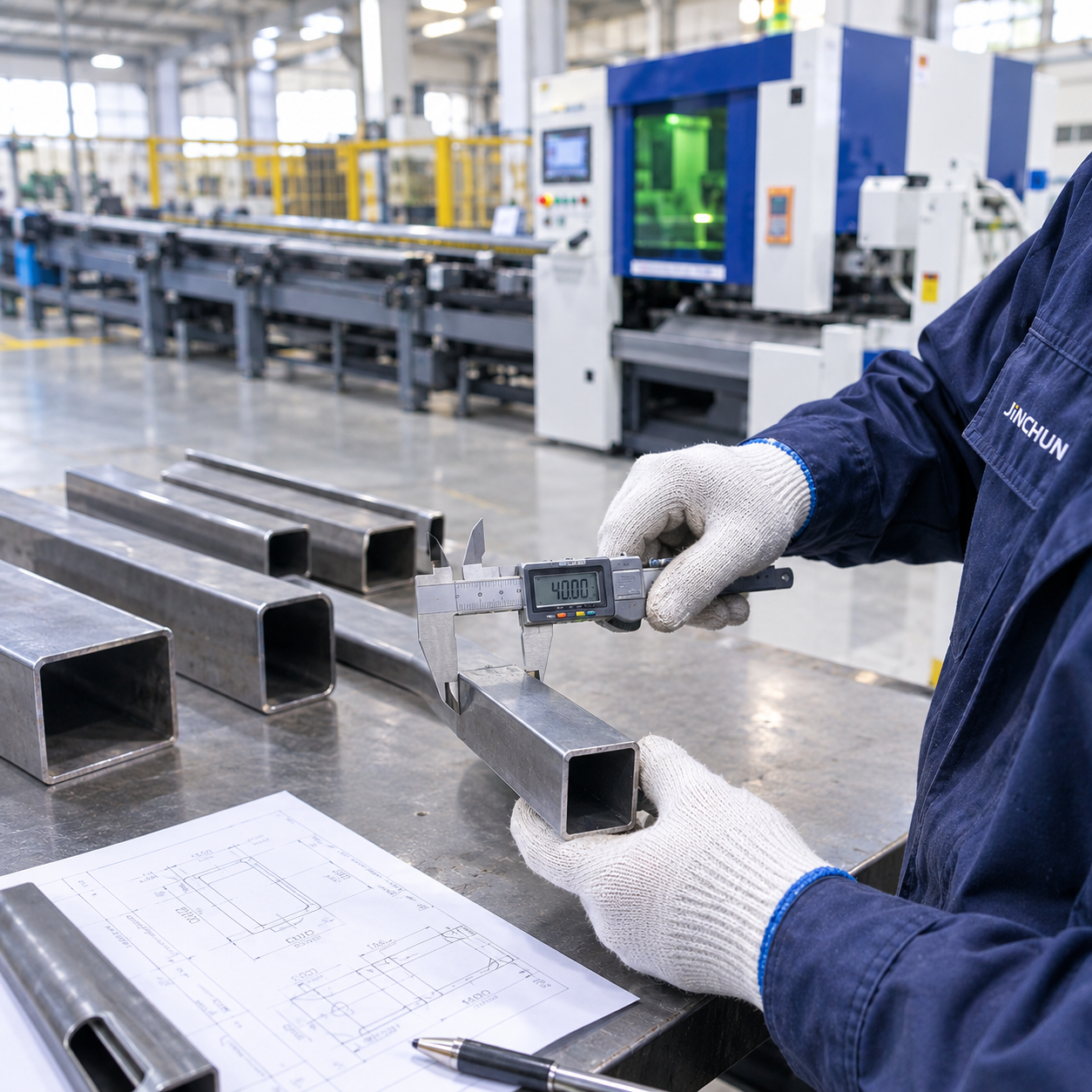
The finished parts should be collected and checked according to the original drawings. Their dimensions and cutting quality should meet the agreed inspection requirements.
Useful trial records include tube specifications, loading configuration, cutting program, batch quantity, total processing time, operator involvement and any abnormal conditions.
These records help manufacturers compare the expected performance with actual production requirements and identify whether additional automation is justified.
Conclusion
Choosing automatic loading for a laser tube cutting machine depends on more than the desire to reduce manual work. Tube variety, batch quantities, loading methods, production changeovers, finished-part collection and the complete processing cycle all need to be considered together.
For factories with stable material specifications and repeated large-batch orders, automatic tube loading may offer practical advantages. For manufacturers handling frequent small orders or many different tube profiles, a more flexible loading arrangement may be preferable.
The final decision should be based on representative tube samples, actual production orders and confirmed machine configurations rather than estimated productivity alone.
Send the drawings, material details, quality criteria and target output for an application review. Please contact Jinchun to review the requirements.